SCALING UP STEREOTAXIS, INC
From St. Louis Med Tech Startup, To Becoming The "Global Leader In Robotic Endovascular Surgery"
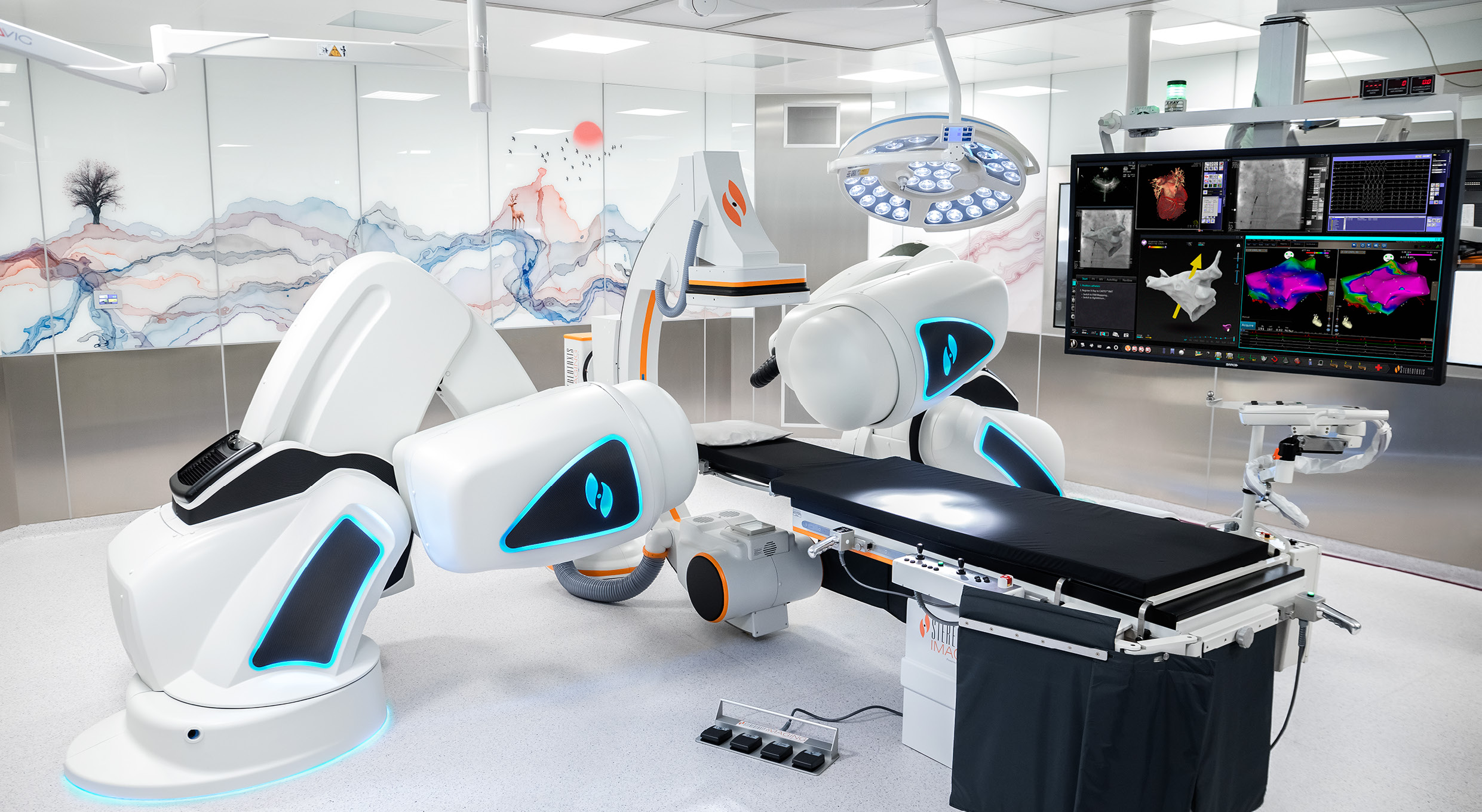
Beginning as a small tech transfer initiative, entrepreneurial pioneer Stereotaxis has become the global leader in robotic systems for minimally-invasive endovascular surgery.
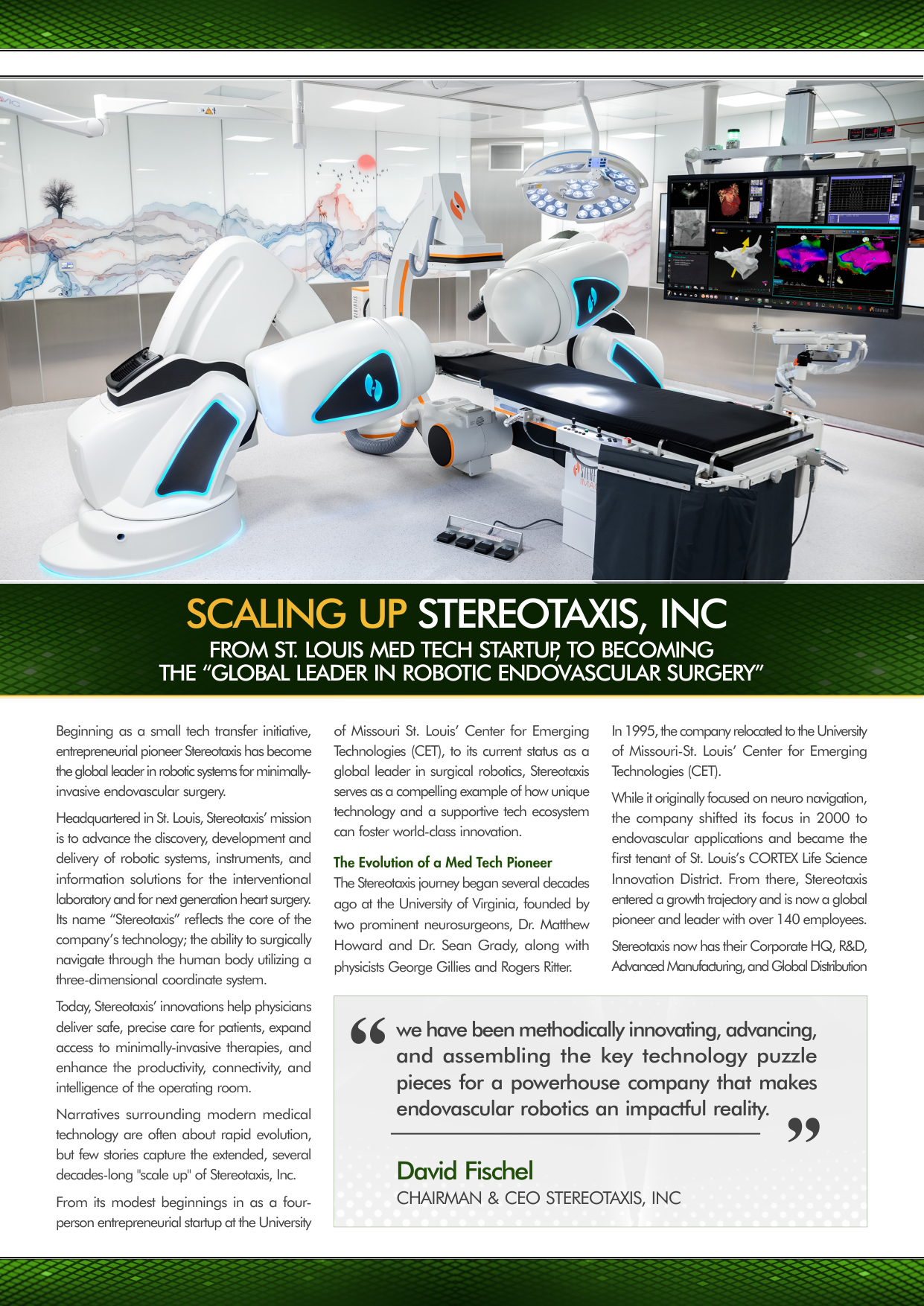
Headquartered in St. Louis, Stereotaxis' mission is to advance the discovery, development and delivery of robotic systems, instruments, and information solutions for the interventional laboratory and for next generation heart surgery. Its name "Stereotaxis" reflects the core of the company's technology: the ability to surgically navigate through the human body utilizing a three-dimensional coordinate system.
Today, Stereotaxis' innovations help physicians deliver safe, precise care for patients, expand access to minimally-invasive therapies, and enhance the productivity, connectivity, and intelligence of the operating room.
Narratives surrounding modern medical technology are often about rapid evolution, but few stories capture the extended, several decades-long "scale up" of Stereotaxis, Inc. From its modest beginnings as a four-person entrepreneurial startup at the University of Missouri St. Louis' Center for Emerging Technologies (CET), to its current status as a global leader in surgical robotics, Stereotaxis serves as a compelling example of how unique technology and a supportive tech ecosystem can foster world-class innovation.
The Evolution of a Med Tech Pioneer
The Stereotaxis journey began several decades ago at the University of Virginia, founded by two prominent neurosurgeons, Dr. Matthew Howard and Dr. Sean Grady, along with physicists George Gillies and Rogers Ritter.
In 1995, the company relocated to the University of Missouri-St. Louis' Center for Emerging Technologies (CET).
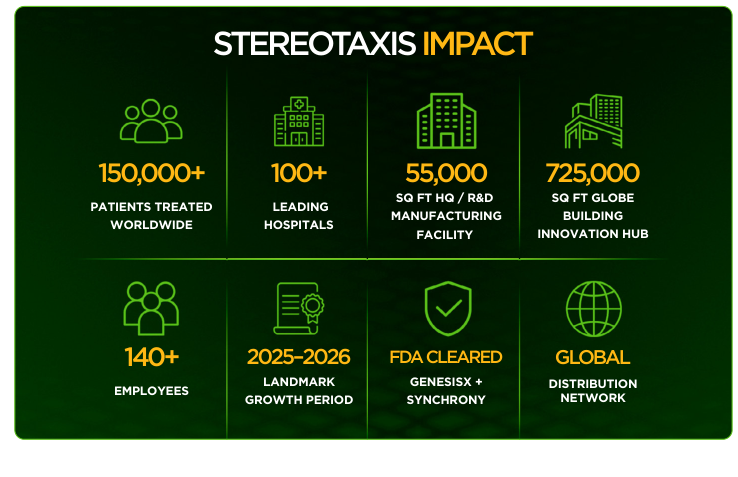
While it originally focused on neuro navigation, the company shifted its focus in 2000 to endovascular applications and became the first tenant of St. Louis's CORTEX Life Science Innovation District. From there, Stereotaxis entered a growth trajectory and is now a global pioneer and leader with over 140 employees.
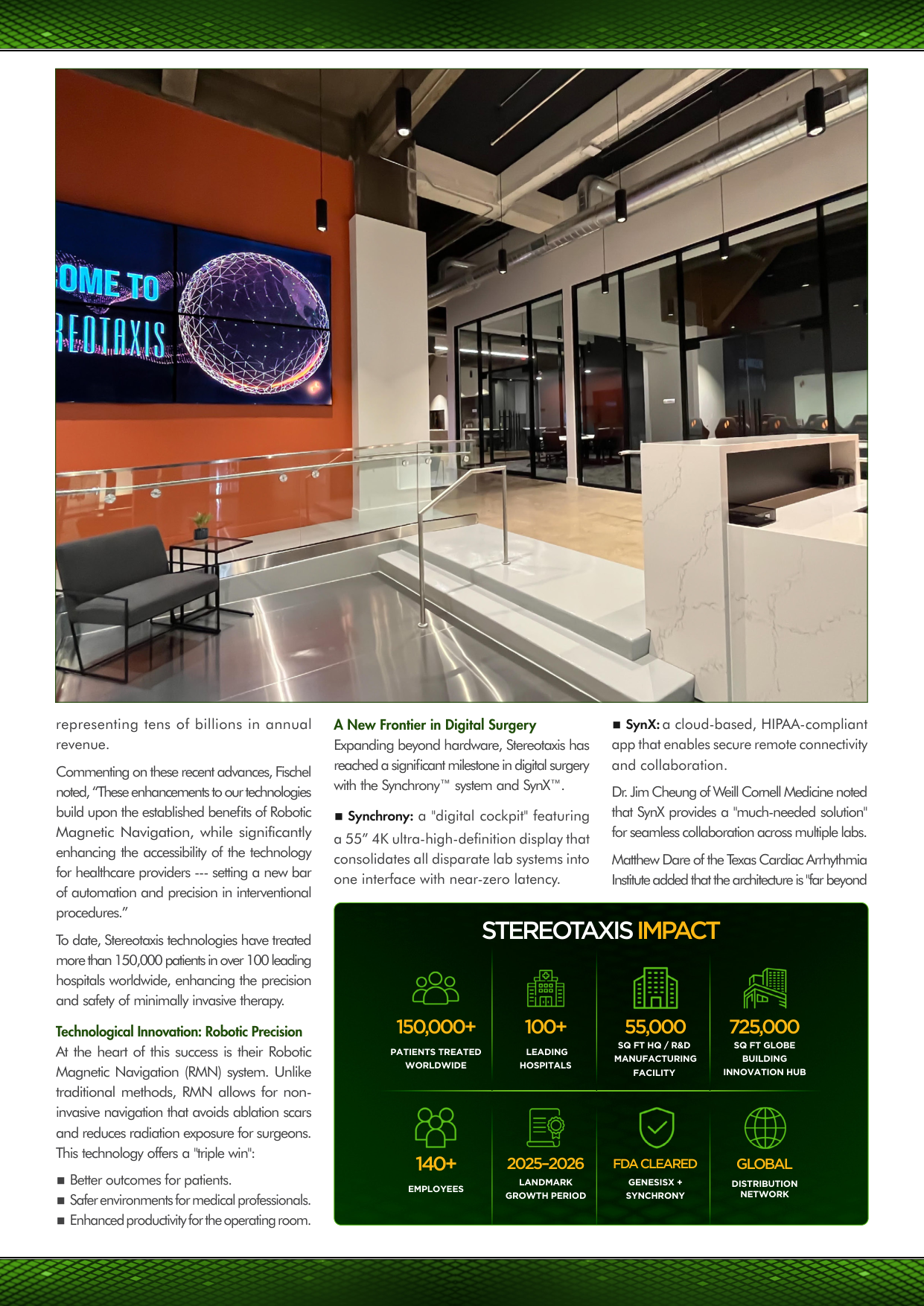
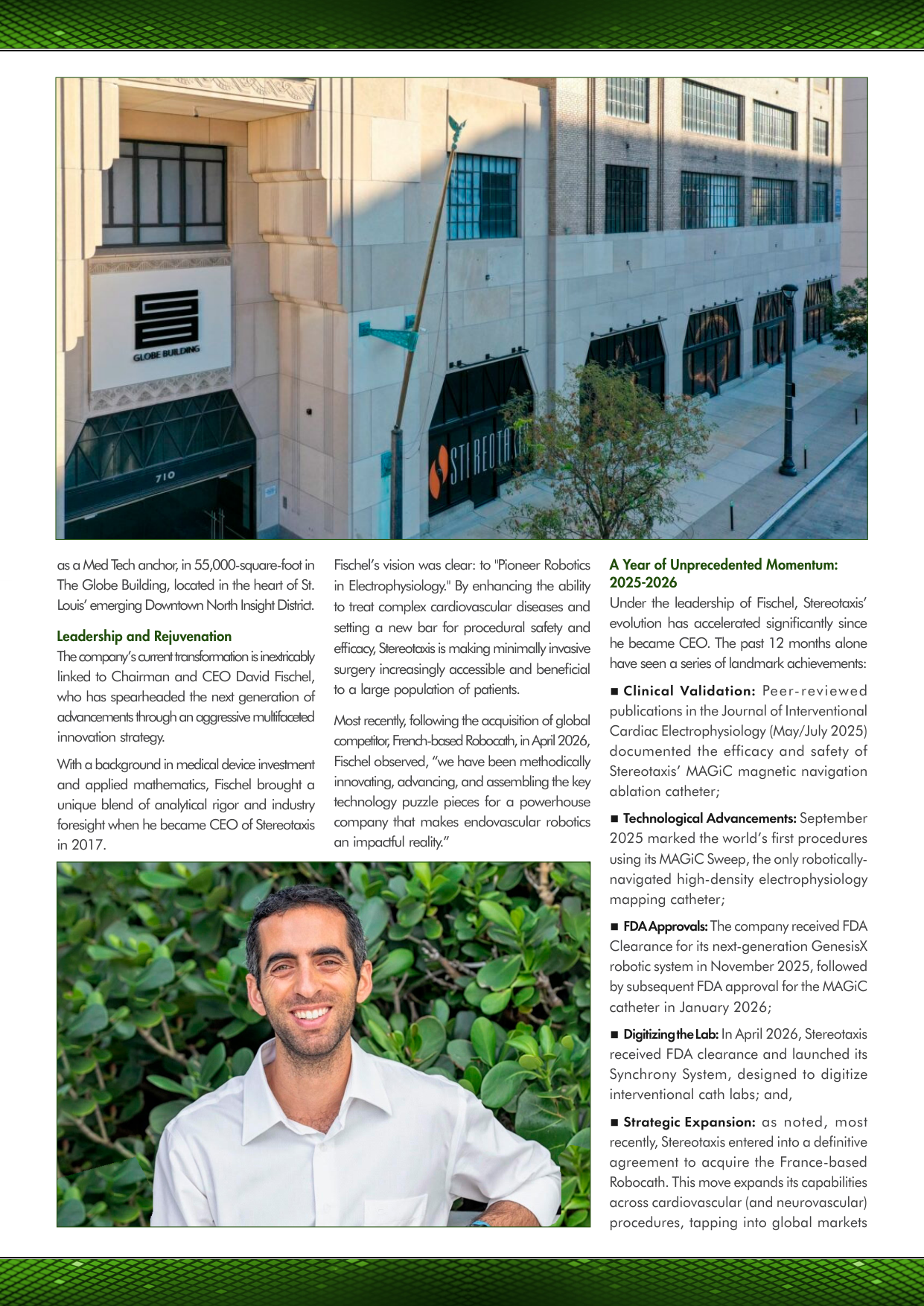
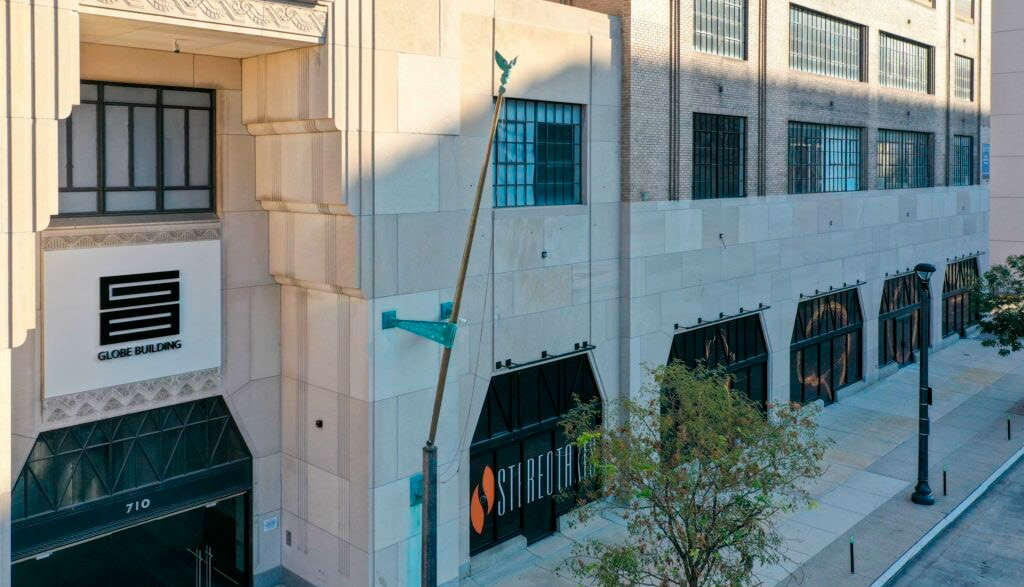
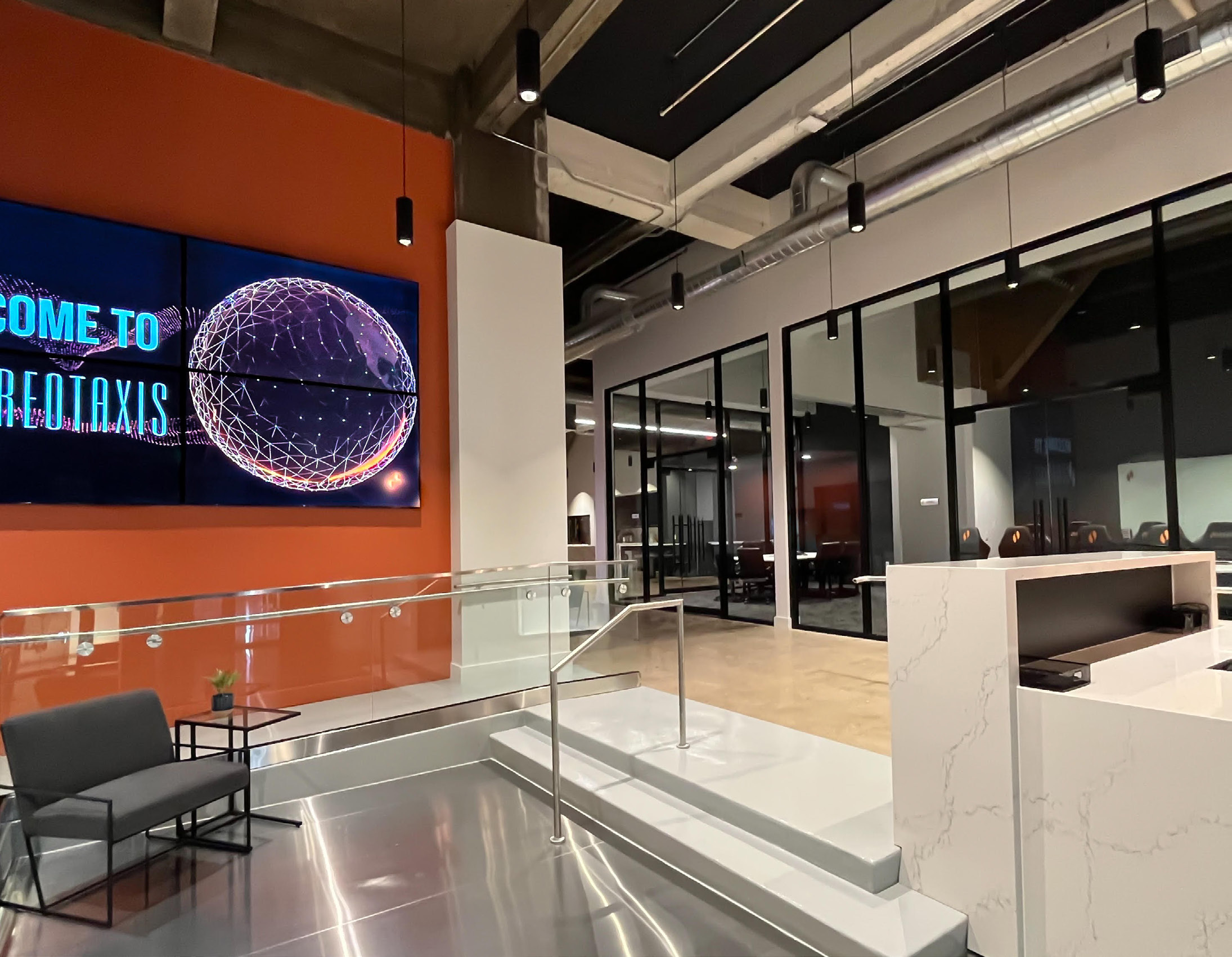
Stereotaxis now has their Corporate HQ, R&D, Advanced Manufacturing, and Global Distribution as a Med Tech anchor, in a 55,000-square-foot facility in The Globe Building, located in the heart of St. Louis' emerging Downtown North Insight District.
"we have been methodically innovating, advancing, and assembling the key technology puzzle pieces for a powerhouse company that makes endovascular robotics an impactful reality." — David Fischel, Chairman & CEO, Stereotaxis, Inc.
Leadership and Rejuvenation
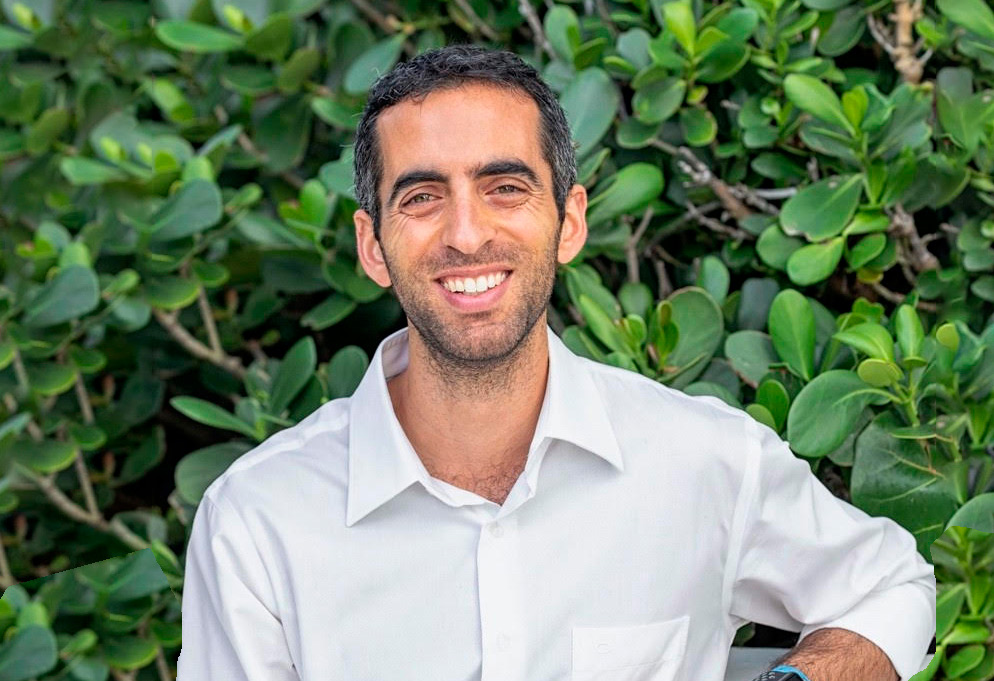
The company's current transformation is inextricably linked to Chairman and CEO David Fischel, who has spearheaded the next generation of advancements through an aggressive multifaceted innovation strategy.
With a background in medical device investment and applied mathematics, Fischel brought a unique blend of analytical rigor and industry foresight when he became CEO of Stereotaxis in 2017.
Fischel's vision was clear: to "Pioneer Robotics in Electrophysiology." By enhancing the ability to treat complex cardiovascular diseases and setting a new bar for procedural safety and efficacy, Stereotaxis is making minimally invasive surgery increasingly accessible and beneficial to a large population of patients.
Most recently, following the acquisition of global competitor, French-based Robocath, in April 2026, Fischel observed, "we have been methodically innovating, advancing, and assembling the key technology puzzle pieces for a powerhouse company that makes endovascular robotics an impactful reality."
A Year of Unprecedented Momentum: 2025-2026
Under the leadership of Fischel, Stereotaxis' evolution has accelerated significantly since he became CEO. The past 12 months alone have seen a series of landmark achievements:
Clinical Validation: Peer-reviewed publications in the Journal of Interventional Cardiac Electrophysiology (May/July 2025) documented the efficacy and safety of Stereotaxis' MAGiC magnetic navigation ablation catheter;
Technological Advancements: September 2025 marked the world's first procedures using its MAGiC Sweep, the only robotically-navigated high-density electrophysiology mapping catheter;
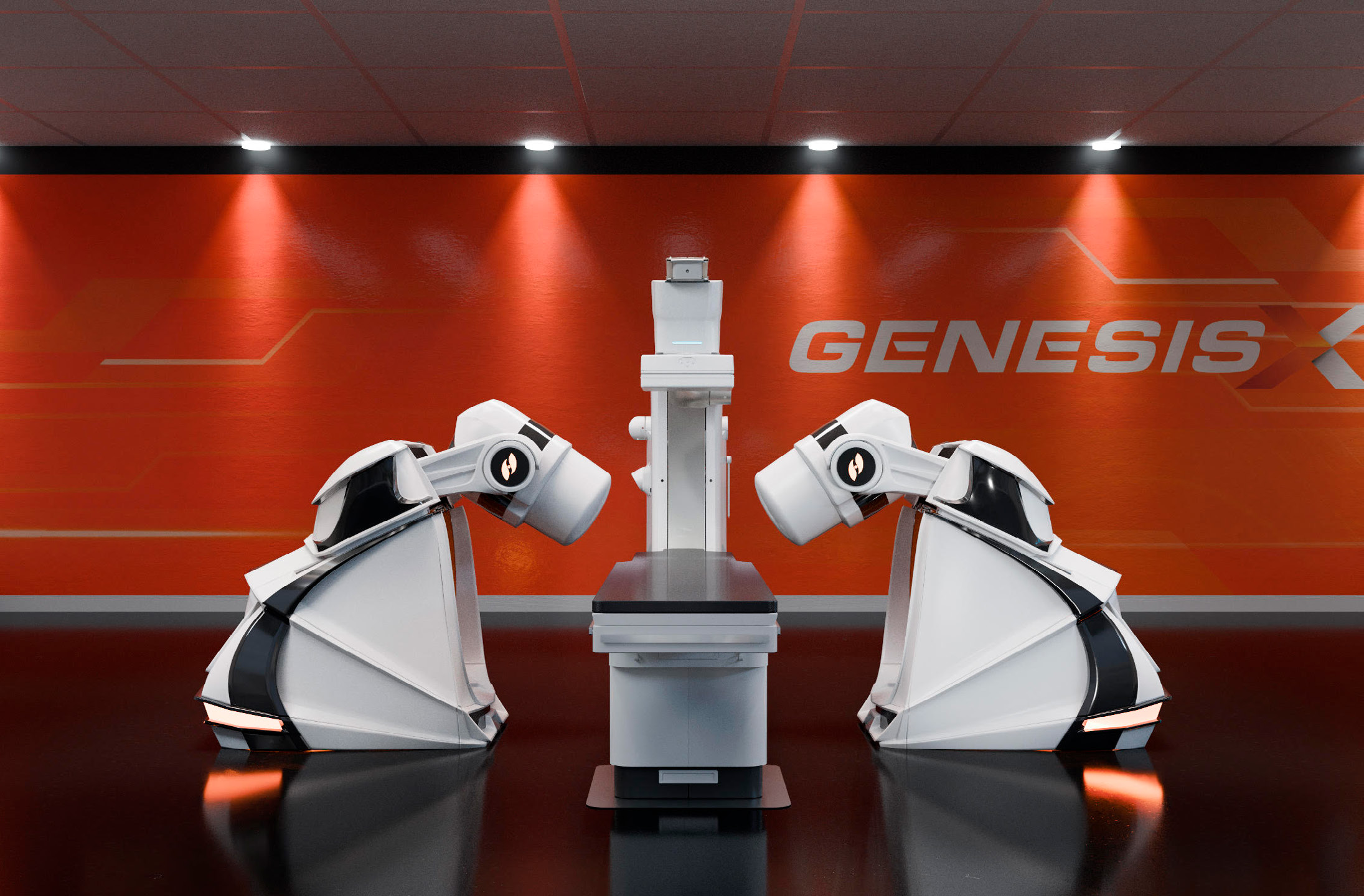
FDA Approvals: The company received FDA Clearance for its next-generation GenesisX robotic system in November 2025, followed by subsequent FDA approval for the MAGiC catheter in January 2026;
Digitizing the Lab: In April 2026, Stereotaxis received FDA clearance and launched its Synchrony System, designed to digitize interventional cath labs; and,
Strategic Expansion: as noted, most recently, Stereotaxis entered into a definitive agreement to acquire the France-based Robocath. This move expands its capabilities across cardiovascular (and neurovascular) procedures, tapping into global markets representing tens of billions in annual revenue.
Commenting on these recent advances, Fischel noted, "These enhancements to our technologies build upon the established benefits of Robotic Magnetic Navigation, while significantly enhancing the accessibility of the technology for healthcare providers, setting a new bar of automation and precision in interventional procedures."
To date, Stereotaxis technologies have treated more than 150,000 patients in over 100 leading hospitals worldwide, enhancing the precision and safety of minimally invasive therapy.
Technological Innovation: Robotic Precision
At the heart of this success is their Robotic Magnetic Navigation (RMN) system. Unlike traditional methods, RMN allows for non-invasive navigation that avoids ablation scars and reduces radiation exposure for surgeons. This technology offers a "triple win":
Better outcomes for patients.
Safer environments for medical professionals.
Enhanced productivity for the operating room.
A New Frontier in Digital Surgery
Expanding beyond hardware, Stereotaxis has reached a significant milestone in digital surgery with the Synchrony system and SynX.
Synchrony: a "digital cockpit" featuring a 55" 4K ultra-high-definition display that consolidates all disparate lab systems into one interface with near-zero latency.
SynX: a cloud-based, HIPAA-compliant app that enables secure remote connectivity and collaboration.
Dr. Jim Cheung of Weill Cornell Medicine noted that SynX provides a "much-needed solution" for seamless collaboration across multiple labs. Matthew Dare of the Texas Cardiac Arrhythmia Institute added that the architecture is "far beyond what anyone else has developed," promising improved reliability and remote monitoring.
As a Med Tech Hub Anchor in St. Louis' Downtown North Insight District
In 2022, Stereotaxis relocated its Global Corporate Headquarters, R&D, and Advanced Manufacturing to the 725,000 SF Globe Building. Stereotaxis' 55,000 SF facility allows critical functions to all exist on a single floor, facilitating a seamless transition from research, to advanced manufacturing, to global distribution.
The Globe Building is a key anchor of an 18-square-block innovation district, placing Stereotaxis alongside international leaders in Geospatial Intelligence and Data Centers, such as General Dynamics, Esri, T-Kartor from Sweden, and BAE Systems (as well as a 75,000 SF multi-tenant SCIF). The media has described The Globe Building as a "High-Tech Castle."
▶️ Watch: https://youtu.be/Q4DOMjWNZQo
Stereotaxis' urban mixed-use location there represents a new model where MedTech helps to power the Downtown North District alongside data-driven industries.
The Power of a Supportive St. Louis Ecosystem
The success of Stereotaxis is, in part, a product of the St. Louis entrepreneurial ecosystem. As the company earned "Innovator of the Year," its home, The Globe Building, was named "Development of the Year" several years ago. These third-party accolades underscore the critical variables of aligning infrastructure with intellectual capital to "scale up" a startup into becoming a global leader. St. Louis has provided the catalysts, from cutting edge research at world class universities, to strategic early-stage investors, to government and private sector support of such entrepreneurial growth.
Looking Ahead: AI and Remote Surgery
Looking ahead, Synchrony and SynX are each engineered to be foundational platforms for Artificial Intelligence (AI). These digital efforts will support future robotic advances, including remote long-distance procedures and fully automated catheter navigation.
Fischel noted these technologies improve the robotic cockpit and are critical for the future of the field: "we believe all cath labs stand to benefit from improved workflow, connectivity, and collaboration."
Stereotaxis remains a beacon of what is possible when visionary leadership and unique technology meet a supportive innovation ecosystem. From a four-person startup at St. Louis' Center for Emerging Technologies (CET), to a global Med Tech leader and pioneer, Stereotaxis has redefined endovascular surgery.
From a Foreign Direct Investment (FDI) International Alliance perspective, Stereotaxis stands as a prime example of how local entrepreneurial support can result in global medical transformation.